Insights into Oncology

Latest updates and research & Real Patient Journey

Breast Cancer Presentation, Treatment Patterns, and Progression-Free Survival at a Tertiary Oncology Centre in Bangladesh: A Retrospective Study
Sep 06, 2026

Breast Cancer Presentation, Treatment Patterns, and Progression-Free Survival at a Tertiary Oncology Centre in Bangladesh: A Retrospective Study

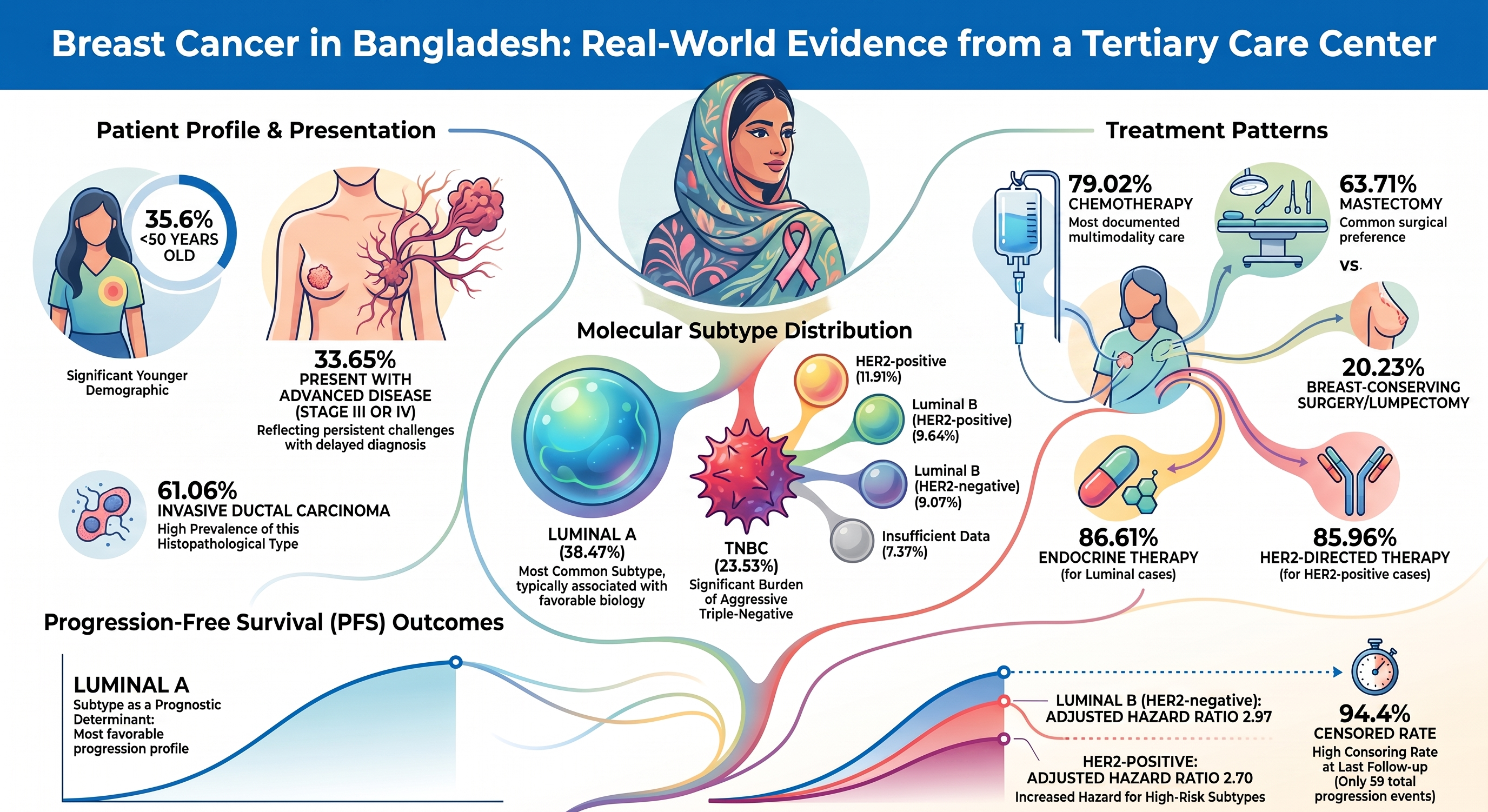
Real-World Breast Cancer Evidence from Bangladesh is Now Published! I'm delighted to share that our long waited study has now been published in Cancer Reports (Wiley). "Breast Cancer Presentation, Treatment Patterns, and Progression-Free Survival at a Tertiary Oncology Centre in Bangladesh: A Retrospective Study" This work analyzes 1,058 consecutive breast cancer patients, making it one of the largest published real-world institutional breast cancer datasets from Bangladesh to date. Why this study matters Breast cancer outcomes from South Asia are still underrepresented in the global literature. Our study provides contemporary evidence on: • Molecular subtype distribution in Bangladeshi women • Stage at presentation • Treatment patterns in routine clinical practice • Progression-free survival according to molecular subtype • Real-world implementation of multidisciplinary breast cancer care Key findings ✔ Luminal A remained the most common subtype (38.5%) ✔ More than one-third of patients were younger than 50 years ✔ One-third presented with Stage III/IV disease ✔ Chemotherapy remained the commonest treatment modality ✔ Mastectomy was still performed much more frequently than breast-conserving surgery ✔ Luminal B (HER2-negative) and HER2-positive disease demonstrated significantly poorer PFS compared with Luminal A. This publication highlights both the remarkable progress being made in breast cancer care in Bangladesh and the persistent disparities that still require attention. Most importantly, it demonstrates how real-world data generated locally can guide policy, improve clinical practice, and stimulate future research. I am grateful to all co-authors, our multidisciplinary team, Bangladesh Specialized Hospital, our patients, and everyone who contributed to this work. This is only the beginning. #Bangladesh #BreastCancer #RealWorldEvidence #PrecisionOncology #CancerResearch #GlobalOncology #LMIC #Oncology #CancerReports #BreastCancerResearch #SurvivalAnalysis #ClinicalResearch #BSBCS #bsh #oncoedu
D
Dr. Md. Arifur Rahman
Read Full Article
Survival Outcomes and Prognostic Factors of Central Nervous System Malignancies in Adult Patients: A Single-Center Retrospective Cohort Study From a Tertiary Hospital in Bangladesh"
Sep 06, 2026

Survival Outcomes and Prognostic Factors of Central Nervous System Malignancies in Adult Patients: A Single-Center Retrospective Cohort Study From a Tertiary Hospital in Bangladesh"

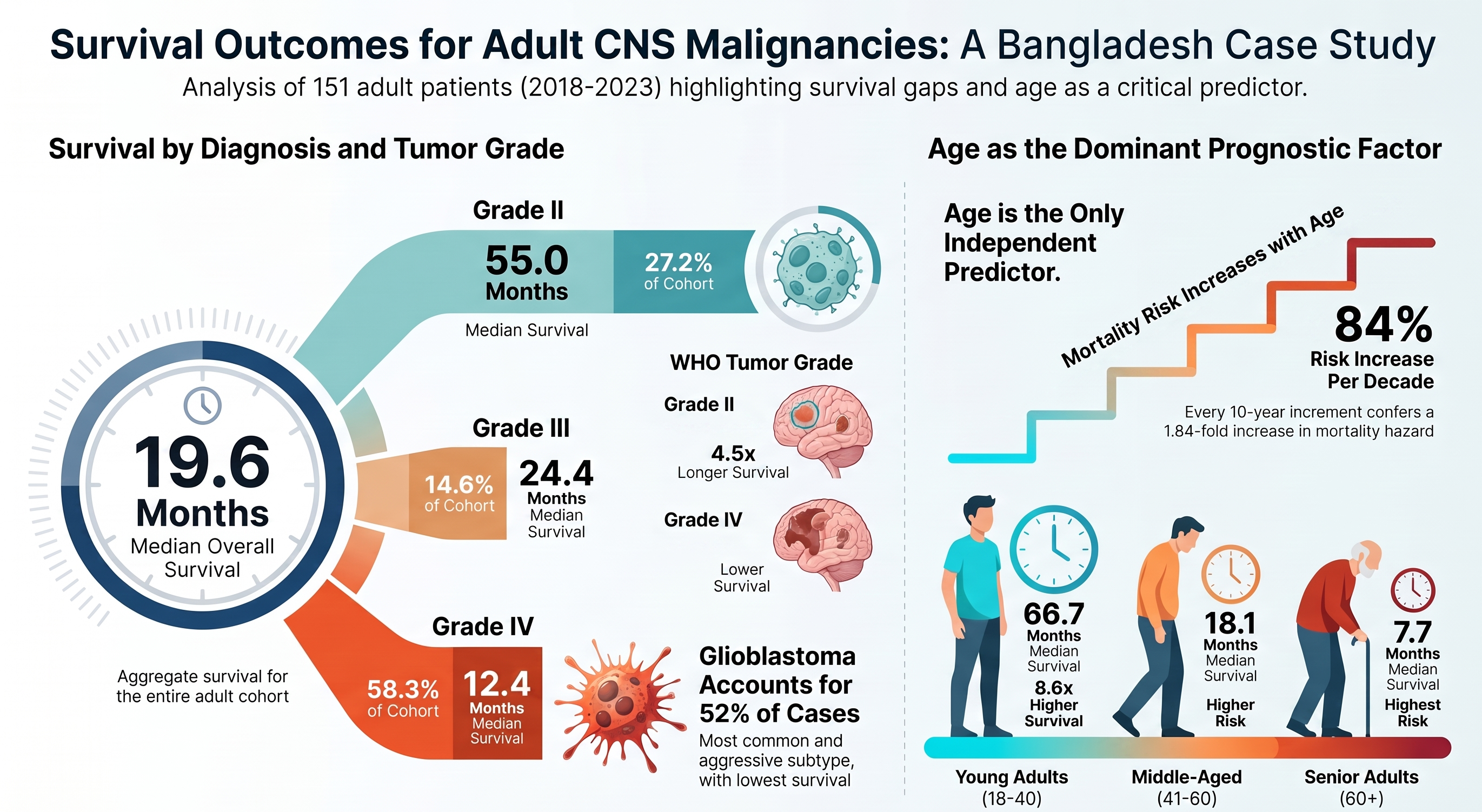
This is really a wonderful time, our long waited 2nd publication publised back to back... 🎉 Thrilled to share our latest publication — out today in Cureus! 📄 "Survival Outcomes and Prognostic Factors of Central Nervous System Malignancies in Adult Patients: A Single-Center Retrospective Cohort Study From a Tertiary Hospital in Bangladesh" This is one of the first dedicated longitudinal survival analyses of adult primary CNS malignancies from Bangladesh — a benchmark dataset for a setting where such data have been critically scarce. 🔑 What we found across 151 adult patients: ▪️ Median overall survival of 19.6 months for the whole cohort — but only 12.4 months for glioblastoma, below high-income benchmarks ▪️ Age was the dominant independent prognostic factor: each decade of life raised mortality risk by 84% (adjusted HR 1.84, p<0.001) ▪️ Young adults (18–40) lived a median 66.7 months vs just 7.7 months for those ≥60 ▪️ Radiotherapy, chemotherapy, and gross resection all trended toward benefit — held back by treatment-selection confounding, not ineffectiveness 📢 The message for our region is clear: we urgently need routine molecular diagnostics (IDH, 1p/19q, MGMT), expanded radiotherapy and chemotherapy capacity, formal performance-status capture, and a national cancer registry to drive evidence-based neuro-oncology care. Grateful to my co-authors and to Prof. Dr. Qamruzzaman Chowdhury for the guidance, and to the teams at Bangladesh Specialized Hospital. 🔗 Open access (CC BY 4.0): DOI 10.7759/cureus.112856 #NeuroOncology #Glioblastoma #CancerResearch #GlobalOncology #Bangladesh #Cureus #BrainTumour #KaplanMeier #HealthEquity #BSHL #BSBCS #OncoEdu

D
Dr. Md. Arifur Rahman
Read Full Article
Port-A-Cath: A Real-Life Study in Patients Receiving Chemotherapy
Sep 06, 2026

Port-A-Cath: A Real-Life Study in Patients Receiving Chemotherapy

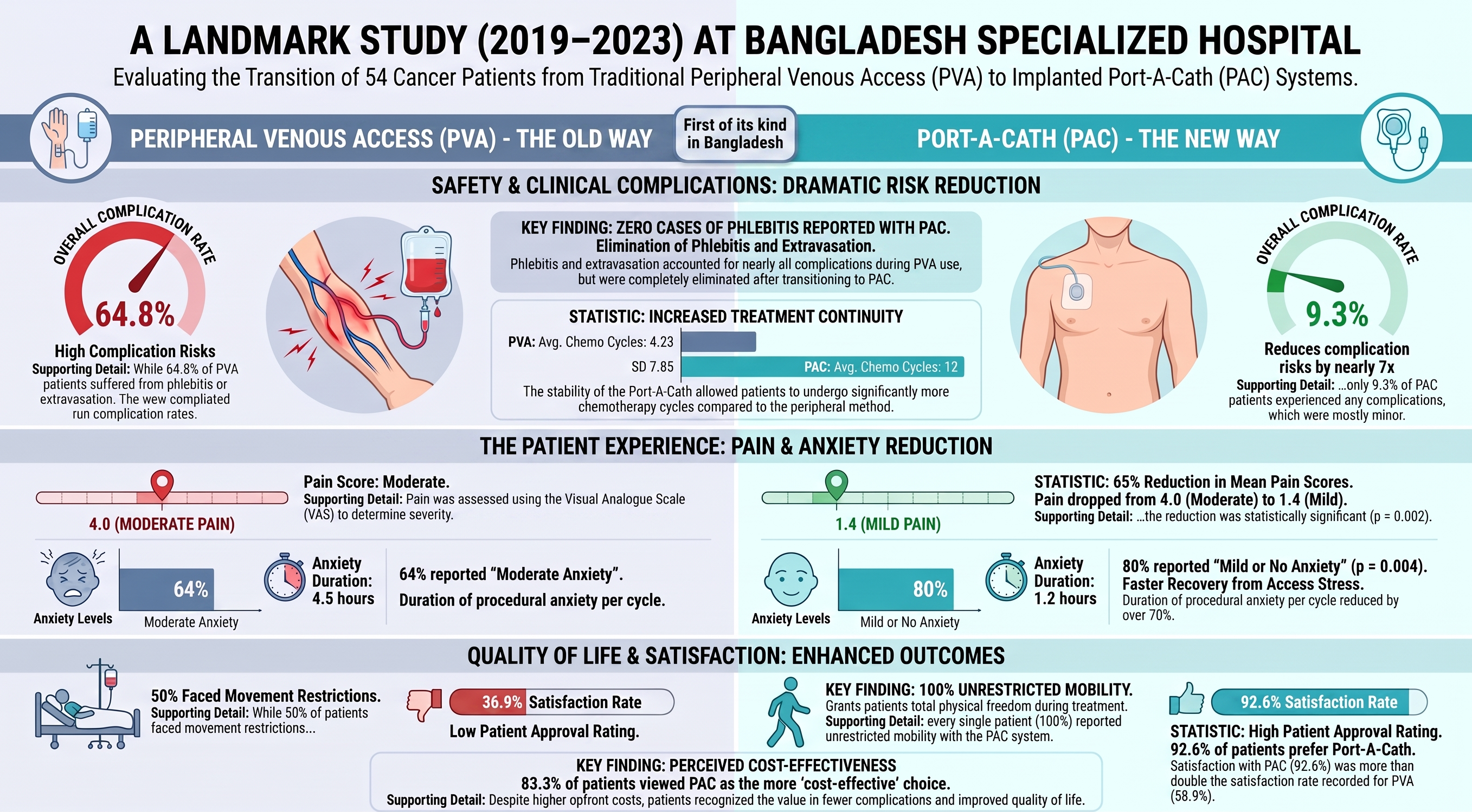
Thrilled to share our latest research published in the Journal of Bangladesh College of Physicians and Surgeons (July 2026)! As co-author, I am proud to present this first-of-its-kind real-life study from Bangladesh evaluating the efficacy, safety, and quality-of-life impact of Port-A-Cath (PAC) versus traditional Peripheral Venous Access (PVA) in cancer patients undergoing chemotherapy. For patients battling cancer, the journey is not just about the systemic therapy itself—it’s also about the physical and emotional burden of continuous treatment. Repeated peripheral line insertions often lead to painful phlebitis, extravasation, and high treatment-related anxiety. Key findings from our single-center prospective cohort study at Bangladesh Specialized Hospital (n = 54): 📉 Significant Pain Reduction: Mean VAS pain scores dropped by 65% after transitioning from PVA to PAC (4.0 down to 1.4, $p = 0.002$). 🧠 Lower Anxiety: 80% of patients experienced mild-to-no anxiety with PAC, compared to 64% experiencing moderate anxiety during PVA use ($p = 0.004$). 🚶‍♂️ Restored Mobility: 100% of patients achieved unrestricted mobility during treatment with PAC versus only 50% with PVA ($p = 0.001$). 🛡️ Enhanced Safety Profile: Complication rates dropped dramatically from 64.8% with PVA (driven by phlebitis/extravasation) to just 9.3% with PAC ($p < 0.001$). 🌟 High Patient Satisfaction: 92.6% of patients were satisfied with PAC, and 83.3% perceived it as cost-effective despite the initial upfront investment. These findings strongly support integrating Port-A-Cath systems early into routine oncology care in resource-limited settings to optimize patient comfort, treatment continuity, and overall quality of life. Heartfelt thanks to lead author Dr. Mohammad Shahriar Faisal, our co-authors, the dedicated oncology team at Bangladesh Specialized Hospital, and above all, our resilient patients who made this study possible. 🙏 📌 Read the full open-access article here: https://bcpsjournal.org/.../port-a-cath-a-real-life-study... #Oncology #PrecisionOncology #CancerCare #PortACath #QualityOfLife #ClinicalResearch #Chemotherapy #BangladeshHealthcare #EvidenceBasedMedicine #BSHL #OncoEdu #BSBCS See less

D
Dr. Md. Arifur Rahman
Read Full Article
Therapeutic Challenges in Metastatic Non-small Cell Lung Cancer (NSCLC) With Concurrent Mesenchymal-Epithelial Transition Factor (MET) Amplification and High Programmed Death- Ligand 1 (PD-L1) Express
Sep 06, 2026

Therapeutic Challenges in Metastatic Non-small Cell Lung Cancer (NSCLC) With Concurrent Mesenchymal-Epithelial Transition Factor (MET) Amplification and High Programmed Death- Ligand 1 (PD-L1) Express

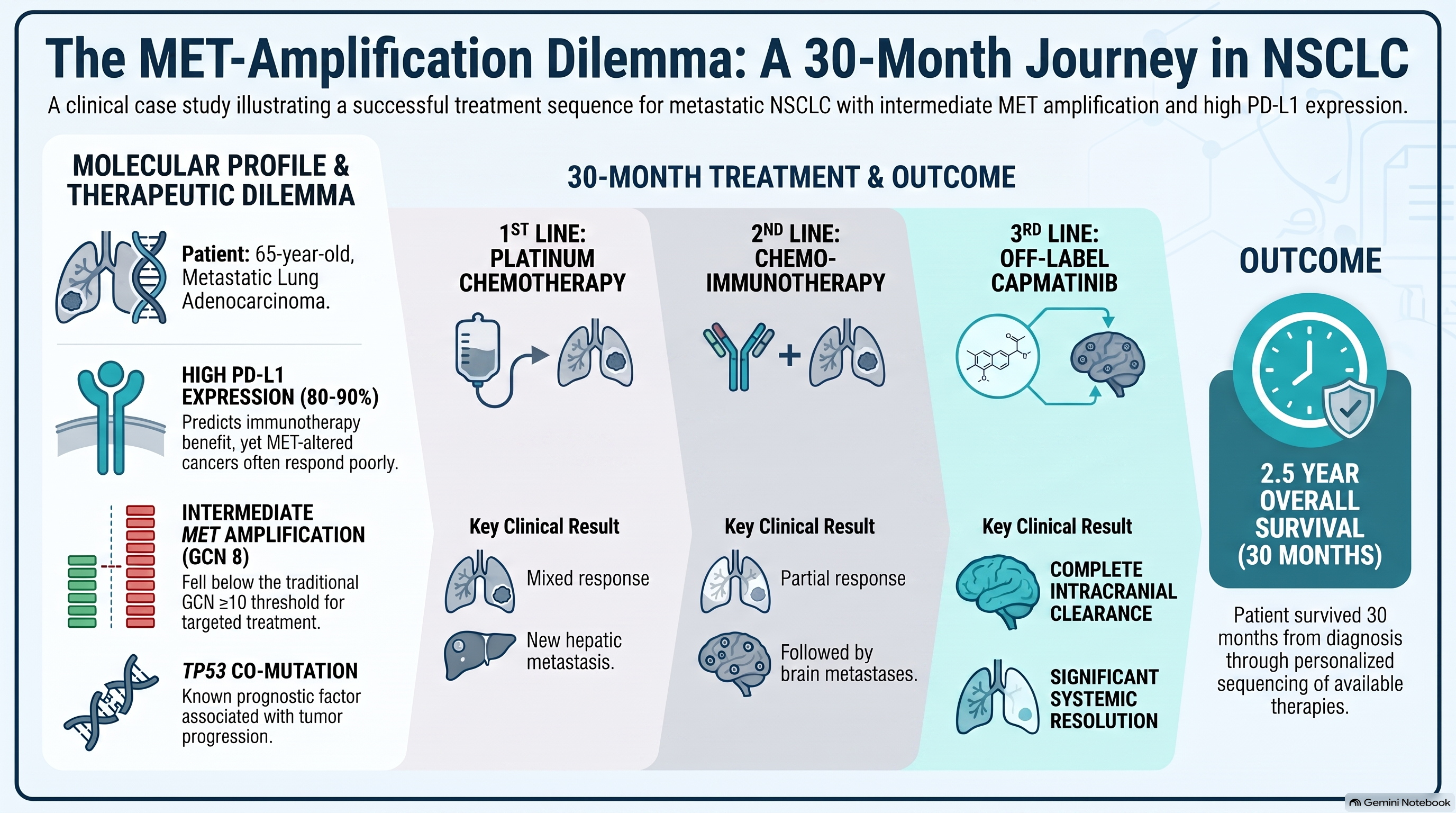
Delighted to share our latest case study published today in Cureus (Springer Nature)! Read the full open-access article: DOI: 10.7759/cureus.115338 Grateful to my co-authors and the multidisciplinary team at Bangladesh Specialized Hospital PLC for their collaboration on this longitudinal report. hashtag#Oncology hashtag#LungCancer hashtag#NSCLC hashtag#PrecisionOncology hashtag#Radiotherapy hashtag#Cureus hashtag#MedicalResearch hashtag#GenomicProfiling hashtag#BSHL hashtag#BSBCS hashtag#OncoEdu

D
Dr. Md. Arifur Rahman
Read Full Article
Metastatic Small Cell Neuroendocrine Carcinoma of the Prostate: A Rare and Aggressive Case Report From Bangladesh.
Sep 06, 2026

Metastatic Small Cell Neuroendocrine Carcinoma of the Prostate: A Rare and Aggressive Case Report From Bangladesh.

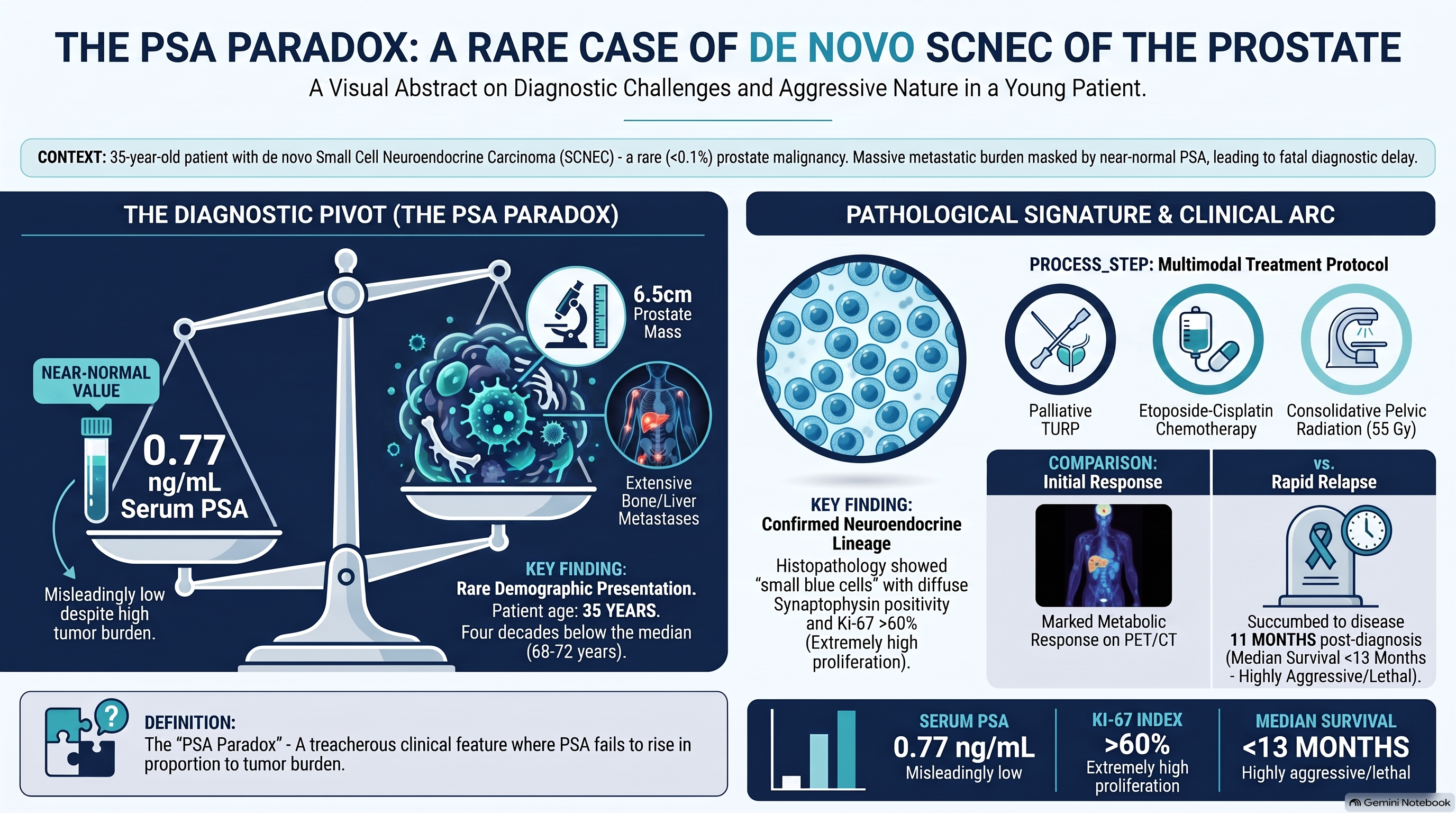
Excited to mark Prostate Cancer Awareness Month by sharing our latest open-access publication in Case Reports in Oncological Medicine (Wiley): "Metastatic Small Cell Neuroendocrine Carcinoma of the Prostate: A Rare and Aggressive Case Report From Bangladesh." Prostate Cancer Awareness Month is a vital reminder of the diverse presentations of prostate malignancies. Small cell neuroendocrine carcinoma of the prostate (SCNEC) is an exceptionally rare and highly aggressive variant that poses distinct diagnostic challenges—most notably, the PSA paradox, where extensive metastatic disease presents with normal or near-normal serum PSA levels. Key Highlights from the Case: Presentation: A 35-year-old male presenting with severe obstructive urinary symptoms, deep pelvic pain, extensive bone/liver metastases, and a massive prostate mass (6.5 × 6.0 × 5.5 cm)—yet maintaining a serum PSA of just 0.77 ng/mL. Diagnostic Insight: Recognizing the striking PSA-disease burden mismatch prompted immediate biopsy re-evaluation, confirming pure de novo SCNEC (synaptophysin positive, Ki-67 >60%). Multimodal Management: Managed with palliative TURP, platinum-based chemotherapy (Etoposide-Cisplatin), and consolidative pelvic IMRT (55 Gy/20 fractions). Clinical Takeaway: During Prostate Cancer Awareness Month and beyond, this case underscores the importance of maintaining high clinical suspicion for neuroendocrine phenotypes when encountering PSA-discordant advanced prostate lesions, utilizing prompt IHC panel testing, and advocating for novel therapeutic options. 📖 Read the full open-access paper: https://doi.org/10.1155/crom/2821229 #ProstateCancerAwarenessMonth #Oncology #ProstateCancer #NEPC #PrecisionOncology #Radiotherapy #RadiationOncology #MedicalOncology #CancerResearch #OpenAccess #Wiley #BangladeshOncology #BSHL #BSBCS #OncoEdu

D
Dr. Md. Arifur Rahman
Read Full Article
Nasopharyngeal Carcinoma
Jun 23, 2026

Nasopharyngeal Carcinoma

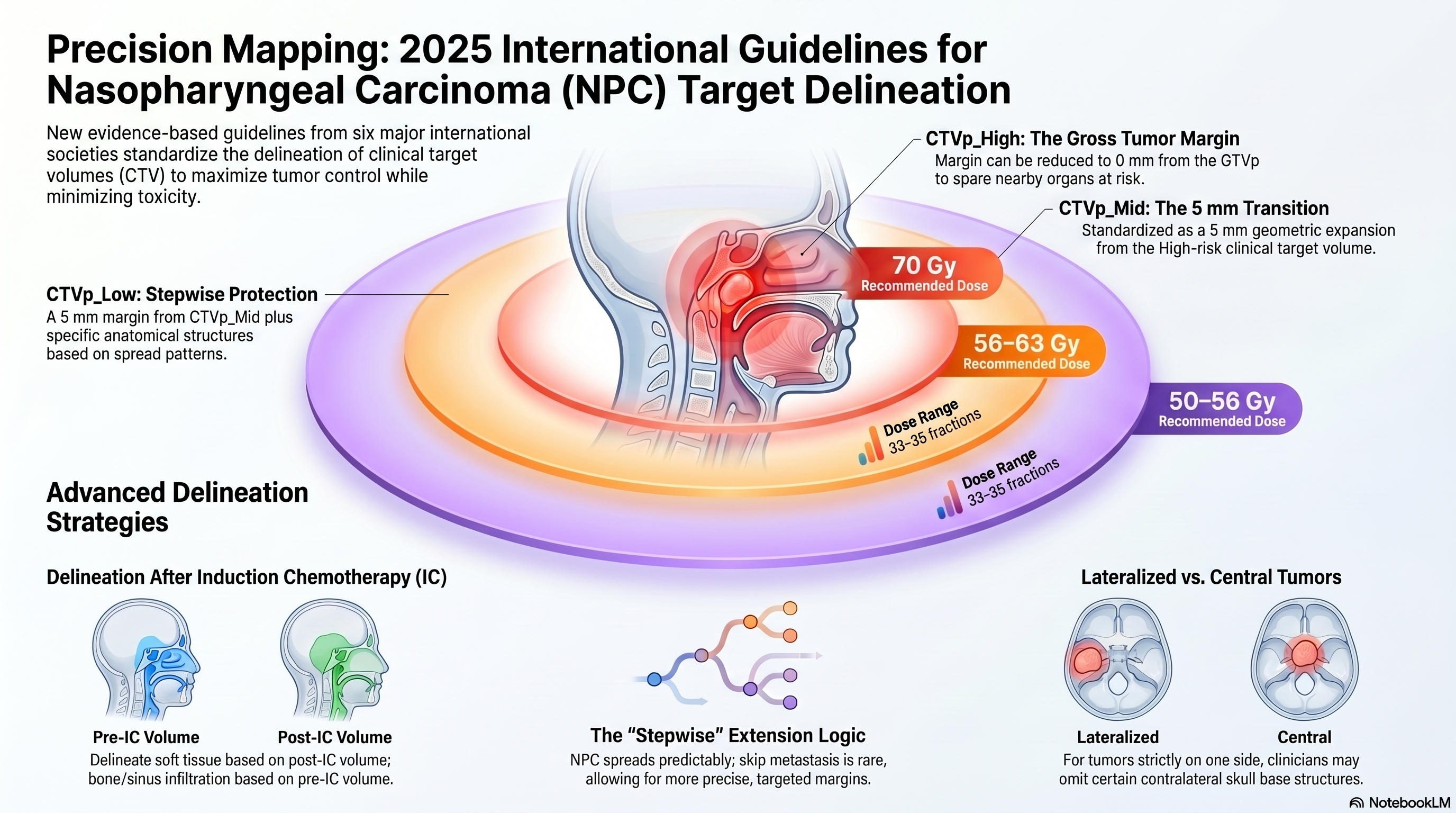
Nasopharynx is a very challangeing part to exucute safe complete dose delivery of Radiotherapy. Every radiatiion oncologist is in fear to complete the treatment doses safely. Alhamdulillah I have been treated cases with complete remmision even after 2-3 years. Showing the 2 cases with 2025 guideline at a row.

D
Dr. Md. Arifur Rahman
Read Full Article